Electrical Drives
বিজ্ঞাপনযুক্ত

সকলো
info
১০ হাজাৰ+
ডাউনল’ড

সকলো
অধিক জানক
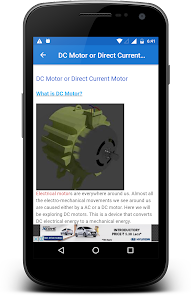
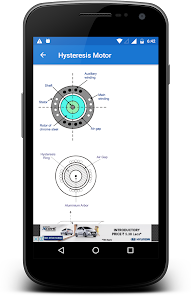


এই এপ্টোৰ বিষয়ে
►Electrical drives are integral part of industrial and automation processes, particularly where precise control of speed of the motor is the prime requirement. In addition, all modern electric trains or locomotive systems have been powered by electrical drives. Robotics is another major area where adjustable speed drives offer precise speed and position control.✦
►A drive operates and controls the speed, torque and direction of moving objects. Drives are generally employed for speed or motion control applications such as machine tools, transportation, robots, fans, etc. The drives used for controlling electric motors are known as electrical drives.✦
►The drives can be of constant or variable type. The constant speed drives are inefficient for variable speed operations; in such cases variable speed drives are used to operate the loads at any one of a wide range of speeds.✦
►The adjustable speed drives are necessary for precise and continuous control of speed, position, or torque of different loads. Along with this major function, there are many reasons to use adjustable speed drives. Some of these include✦
➻ To achieve high efficiency: Electrical drives enable to use wide range of power, from milliwatts to megawatts for various speeds and hence the overall cost of operating the system is reduced
➻ To increase the speed of accuracy of stopping or reversing operations of motor
➻ To control the starting current
➻ To provide the protection
➻ To establish advanced control with variation of parameters like temperature, pressure, level, etc.
【Topics Covered in this App are Listed Below】
⇢ DC Motor or Direct Current Motor
⇢ Working Principle of Three Phase Induction Motor
⇢ Synchronous Motor Working Principle
⇢ Electric Motor Power Rating
⇢ Motor Duty Class and its Classification
⇢ Induction Motor Braking Regenerative Plugging Dynamic Braking of Induction Motor
⇢ Induction Motor Drives | Starting Braking Speed Control of Induction Motor
⇢ DC Motor Drives
⇢ Dynamics of Electrical Drives
⇢ Interfacing of Stepper Motor
⇢ Control of Electrical Drives
⇢ Synchronous Motor Drives
⇢ Hysteresis Motor
⇢ Stepper Motor Drive
⇢ Bipolar Stepper Motor
⇢ What is Braking? Types of Braking | Regenerative Plugging Dynamic Braking
⇢ Types of Braking in a DC Motor
⇢ What is Servo Motor?
⇢ Servomechanism | Theory and Working Principle of Servo Motor
⇢ Servo Motor Control
⇢ DC Servo Motors | Theory of DC Servo Motor
⇢ Servo Motor Controller or Servo Motor Driver
⇢ Servo Motor Applications in Robotics Solar Tracking System etc
⇢ Variable Frequency Drive or VFD
⇢ Electric Motors
⇢ Magnetic Circuits
⇢ The air-gap
⇢ Torque Production
⇢ Specific Loadings And Specific Output
⇢ Energy Conversion – Motional Emf
⇢ Equivalent Circuit
⇢ General Properties Of Electric Motors
⇢ Power Electronic Converters For Motor Drives
⇢ Voltage Control – D.C. Output From D.C. Supply
⇢ Chopper with inductive load – overvoltage protection
⇢ D.C. From A.C. – Controlled Rectification
⇢ 3-phase fully controlled converter
⇢ A.C. From D.C. SP – SP Inversion
⇢ Sinusoidal PWM
⇢ Inverter Switching Devices
⇢ Cooling Of Power Switching Devices
⇢ Conventional D.C. Motors
⇢ Transient Behaviour – Current Surges
⇢ Shunt, Series And Compound Motors
⇢ Shunt motor – steady-state operating characteristics
⇢ Four-Quadrant Operation And Regenerative Braking
⇢ Full speed regenerative reversal
⇢ Toy Motors
⇢ D.C. Motor Drives
⇢ Discontinuous current
⇢ Single-converter reversing drives
⇢ Control Arrangements For D.C. Drives
⇢ Chopper-Fed D.C. Motor Drives
⇢ D.C. Servo Drives
⇢ The Real Transformer
⇢ Inverter-Fed Induction Motor Drives
►A drive operates and controls the speed, torque and direction of moving objects. Drives are generally employed for speed or motion control applications such as machine tools, transportation, robots, fans, etc. The drives used for controlling electric motors are known as electrical drives.✦
►The drives can be of constant or variable type. The constant speed drives are inefficient for variable speed operations; in such cases variable speed drives are used to operate the loads at any one of a wide range of speeds.✦
►The adjustable speed drives are necessary for precise and continuous control of speed, position, or torque of different loads. Along with this major function, there are many reasons to use adjustable speed drives. Some of these include✦
➻ To achieve high efficiency: Electrical drives enable to use wide range of power, from milliwatts to megawatts for various speeds and hence the overall cost of operating the system is reduced
➻ To increase the speed of accuracy of stopping or reversing operations of motor
➻ To control the starting current
➻ To provide the protection
➻ To establish advanced control with variation of parameters like temperature, pressure, level, etc.
【Topics Covered in this App are Listed Below】
⇢ DC Motor or Direct Current Motor
⇢ Working Principle of Three Phase Induction Motor
⇢ Synchronous Motor Working Principle
⇢ Electric Motor Power Rating
⇢ Motor Duty Class and its Classification
⇢ Induction Motor Braking Regenerative Plugging Dynamic Braking of Induction Motor
⇢ Induction Motor Drives | Starting Braking Speed Control of Induction Motor
⇢ DC Motor Drives
⇢ Dynamics of Electrical Drives
⇢ Interfacing of Stepper Motor
⇢ Control of Electrical Drives
⇢ Synchronous Motor Drives
⇢ Hysteresis Motor
⇢ Stepper Motor Drive
⇢ Bipolar Stepper Motor
⇢ What is Braking? Types of Braking | Regenerative Plugging Dynamic Braking
⇢ Types of Braking in a DC Motor
⇢ What is Servo Motor?
⇢ Servomechanism | Theory and Working Principle of Servo Motor
⇢ Servo Motor Control
⇢ DC Servo Motors | Theory of DC Servo Motor
⇢ Servo Motor Controller or Servo Motor Driver
⇢ Servo Motor Applications in Robotics Solar Tracking System etc
⇢ Variable Frequency Drive or VFD
⇢ Electric Motors
⇢ Magnetic Circuits
⇢ The air-gap
⇢ Torque Production
⇢ Specific Loadings And Specific Output
⇢ Energy Conversion – Motional Emf
⇢ Equivalent Circuit
⇢ General Properties Of Electric Motors
⇢ Power Electronic Converters For Motor Drives
⇢ Voltage Control – D.C. Output From D.C. Supply
⇢ Chopper with inductive load – overvoltage protection
⇢ D.C. From A.C. – Controlled Rectification
⇢ 3-phase fully controlled converter
⇢ A.C. From D.C. SP – SP Inversion
⇢ Sinusoidal PWM
⇢ Inverter Switching Devices
⇢ Cooling Of Power Switching Devices
⇢ Conventional D.C. Motors
⇢ Transient Behaviour – Current Surges
⇢ Shunt, Series And Compound Motors
⇢ Shunt motor – steady-state operating characteristics
⇢ Four-Quadrant Operation And Regenerative Braking
⇢ Full speed regenerative reversal
⇢ Toy Motors
⇢ D.C. Motor Drives
⇢ Discontinuous current
⇢ Single-converter reversing drives
⇢ Control Arrangements For D.C. Drives
⇢ Chopper-Fed D.C. Motor Drives
⇢ D.C. Servo Drives
⇢ The Real Transformer
⇢ Inverter-Fed Induction Motor Drives
আপডে’ট কৰা তাৰিখ
বিকাশকৰ্তাসকলে আপোনাৰ ডেটা কেনেকৈ সংগ্ৰহ আৰু শ্বেয়াৰ কৰে সেয়া বুজি পোৱাৰ জৰিয়তে সুৰক্ষা আৰম্ভ হয়। ডেটাৰ গোপনীয়তা আৰু সুৰক্ষা প্ৰণালী আপোনাৰ ব্যৱহাৰ, অঞ্চল আৰু বয়সৰ ওপৰত ভিত্তি কৰি ভিন্ন হ’ব পাৰে। বিকাশকৰ্তাগৰাকীয়ে এই তথ্যখিনি প্ৰদান কৰিছে আৰু সময়ৰ লগে লগে এয়া আপডে’ট কৰিব পাৰে।

এই এপ্টোৱে এই ধৰণৰ ডেটাৰ প্ৰকাৰ তৃতীয় পক্ষৰ সৈতে শ্বেয়াৰ কৰিব পাৰে
ডিভাইচ অথবা অন্য আইডি

কোনো ডেটা সংগ্ৰহ কৰা হোৱা নাই
বিকাশকৰ্তাই ডেটা সংগ্ৰহ কৰাৰ বিষয়ে কেনেকৈ ঘোষণা কৰে সেই বিষয়ে অধিক জানক

ডেটা ট্ৰেনজিটত এনক্ৰিপ্ট কৰা হয়

ডেটা মচিব নোৱাৰি
নতুন কি আছে
- More Topics Added
সকলো
অধিক জানকএপৰ সমৰ্থন
বিকাশকৰ্তাৰ বিষয়ে
Prabhu Thankaraju
vishwasparrow@gmail.com
101-B,Nishadham Bldg,1/5
Chipale,Panvel
NAVI MUMBAI, Maharashtra 410206
India


