
قصص الانبياء لابن كثير بدون نت
Contains ads
10K+
Downloads

Everyone
info




About this app
📖 Stories of the Prophets by Ibn Kathir 📖
It is also known as the masterpiece of the nobles in the stories of the prophets
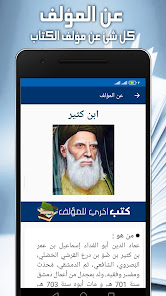
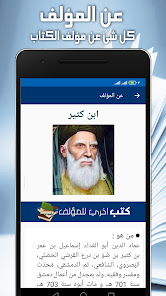
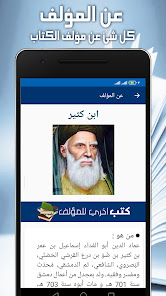
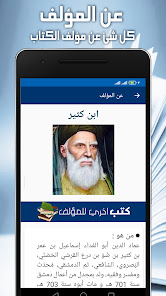
Imad Al-Din Abu Al-Fida Ismail bin Omar bin Kathir bin Dao bin Deraa Al-Qurashi Al-Hasali, Al-Basrawi, Al-Shafi’i, then Al-Dimashqi, known as Ibn Kathir
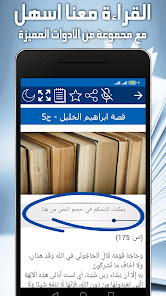
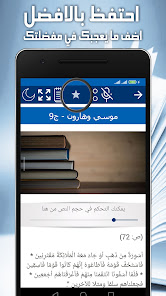
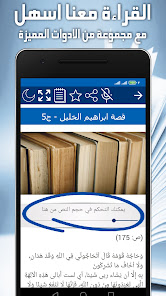
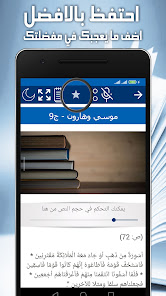
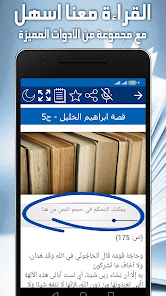
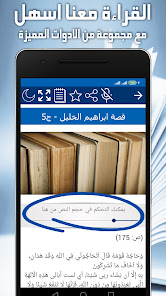
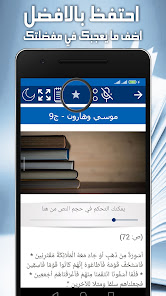
Enjoy reading the book of stories of the prophets by Ibn Kathir with the best application for books and stories and without the Internet and many other features
Stories of the Prophets by Al-Hafiz Ibn Kathir: An encyclopedic and arranged book in the remembrance of the news of the prophets - peace be upon them. It is distinguished by collecting the verses related to the story of each prophet in one chapter, and linking them through their interpretation and mentioning the hadiths and effects related to them.
The Book of Stories of the Prophets by Ibn Kathir is the most famous and most widely spread among the books of the same title and counts in the hundreds and perhaps in the thousands.. The book is characterized by a Quranic introduction to the story of each of the prophets, in which all the verses related to this prophet are in the order of the Qur’an. I hoped that it would come in an order The temporal context of the events, but this is originally Ibn Kathir’s approach to interpreting the Qur’an with the Qur’an first, and its verses often come with the interpretation of the Qur’an.
Ibn Kathir relies on the vision of the Sunnis and the community, which does not differ much from the Shiite vision of events, especially the Twelver ones, which are unique only by increasing details, explanations and additions transmitted from Ahl al-Bayt and not approved in the origins of the Sunni doctrine.. The book is indispensable for understanding the stories The prophets as mentioned in the Noble Qur’an, and Ibn Kathir’s style is interesting and his words are not difficult at all
Author:
Muhaddith, interpreter and jurist. He was born in Majdal of Damascus in the year 701 AH. His father died in the year 703 AH. Then he moved to Damascus with his brother Kamal al-Din in the year 707 AH after the death of his father. He memorized the Holy Qur’an and sealed its memorization in the year 711 AH. He read the readings and compiled the interpretation. He memorized the text of “Al-Tanbah” in the jurisprudence of al-Shafi’i in the year 718 AH, and he memorized the summary of Ibn al-Hajib, and he learned the two sheikhs Burhan al-Din al-Fazari, and Kamal al-Din Ibn Qazi Shahba. He proceeded to explain Sahih Al-Bukhari and the necessity of Al-Mazi, and read to him the refinement of perfection, and his son-in-law to his daughter, and the owner of Ibn Taymiyyah, and he was the guardian of many scientific schools in that era, including: Dar Al-Hadith Al-Ashrafiya, Al-Salihiya School, Al-Najibi School, Al-Tankaziya School, and Al-Nouriah Al-Kubra School, he died. In Sha’ban in the year 774 AH, and he was damaged in his late life, and he was buried next to Ibn Taymiyyah in the Sufi cemetery outside Bab al-Nasr in Damascus. And he has a message on jihad, and he started a large book of rulings and did not complete it. It has an explanation of Sahih Al-Bukhari which is missing.
❇️ Some reviews of the book Stories of the Prophets because there are many ❇️
▪️Source of reviews: www.goodreads.com/ar/book/show/2939484▪️
- Finally, I read Ibn Kathir.. I thought that his style was complicated or difficult, but I found the exact opposite.. The man is very honest in narrating from the predecessors, and very keen in narrating from the Israelites, whom I totally doubted, especially the story of our master Jacob, and this book is the main reference in All the stories of the prophets that we read in our childhood
Ahmed
Very nice book, well categorized. He tells the stories of the prophets in general with some detail in some of the stories. It begins with the story of Adam, peace be upon him, and ends with the story of Jesus, peace be upon him
3houd
The book “Stories of the Prophets” by Ismail bin Kathir is considered the most famous and the most correct among the books with the same title. Ibn Kathir has a special style of writing, characterized by smooth narration and eloquence of language, in addition to the rigor he used to present the stories of the prophets. He is based only on healthy hadiths, and he uses only the genius of interpreters, and he also tried to stay away from the myths of the Israeli women, the retribution superstitions, and the lies of some historians. A wonderful book worth reading, because the stories of the prophets have lessons, lessons, and sermons
Ismail Ismail
- The only book I completed in Ramadan. It was a very appropriate choice, as many of the verses of the Qur’an narrate the stories of the prophets and the state of their people and their fate, and this book gives you additional information about the lineage of the prophets, the chronological order of the prophecies, and the environment in which they lived with an explanation of some of the verses that told their news.
Salem
Finally, we will pray with Christ, pray with Yunus, fight with Moses, seek the modesty of Joseph, learn from the creation of Muhammad and the stripping of green, tell stories about our father Adam, and the patience of Job, and Noah endured hundreds of years, we take wisdom from the mouth of Luqman, and we shudder for the faith of Solomon. The judgment of David, and the argument of Abraham, peace be upon them all
Hatem Mohy El-Dien
We are happy to receive your suggestions and contact us
apps@noursal.com
www.Noursal.com
Updated on
Safety starts with understanding how developers collect and share your data. Data privacy and security practices may vary based on your use, region, and age. The developer provided this information and may update it over time.


What's new
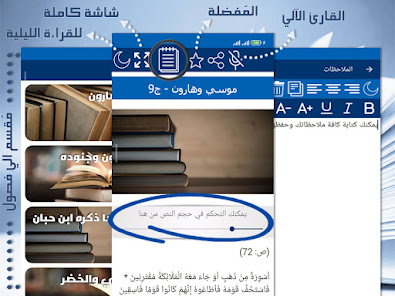
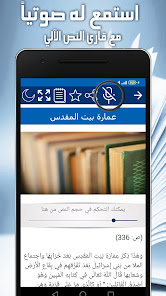
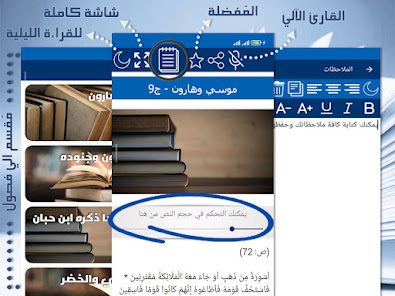
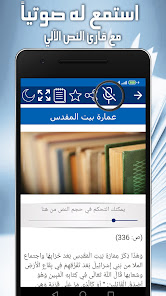
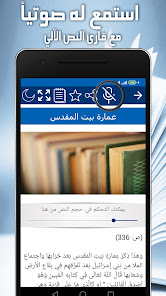
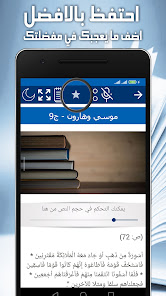
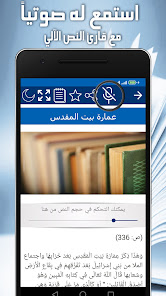
✔ اضافة قارئ النص الآلي للاستماع للكتاب بشكل صوتي .
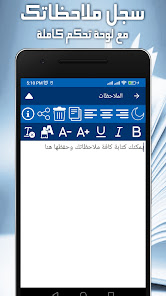
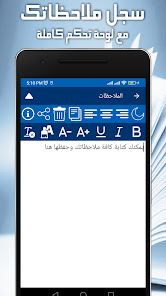
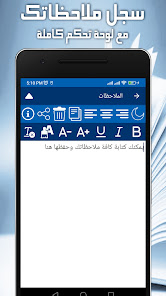
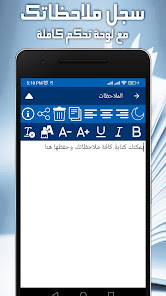
✔ اضافة إمكانية كتابة ملاحظاتك مع لوحة تحكم كاملة .
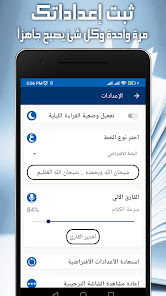
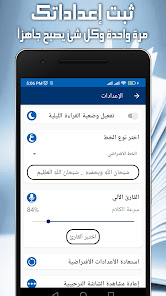
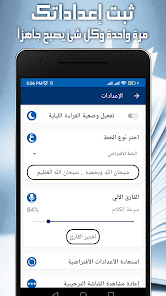
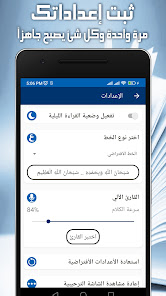
✔ اضافة اعدادات للتطبيق للتحكم في كافة الخصائص داخله .
✔ اضافة صفحة الهدايا للمزيد من المزايا بالتطبيق .
✔ اضافة صفحة كتب اخري للمؤلف ابن كثير .
✔ تثبيت كافة اعداداتك بشكل تلقائي .
✔ تحسين في الشكل العام للتطبيق لتجربة افضل .
✔ اضافة إمكانية كتابة ملاحظاتك مع لوحة تحكم كاملة .
✔ اضافة اعدادات للتطبيق للتحكم في كافة الخصائص داخله .
✔ اضافة صفحة الهدايا للمزيد من المزايا بالتطبيق .
✔ اضافة صفحة كتب اخري للمؤلف ابن كثير .
✔ تثبيت كافة اعداداتك بشكل تلقائي .
✔ تحسين في الشكل العام للتطبيق لتجربة افضل .


