
الأمثال في القرآن لابن القيم
Contains ads
5K+
Downloads

Everyone
info









About this app
The Book of Proverbs in the Noble Qur’an by Ibn Qayyim Al-Jawziyah
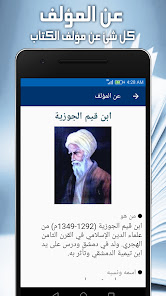
For Muhammad bin Abi Bakr bin Ayyub bin Saad Al-Zar’i Al-Dimashqi, Shams Al-Din, Abu Abdullah, known as Ibn Qayyim Al-Jawziyah
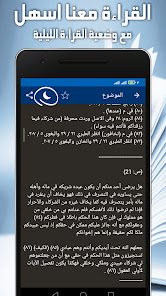
Enjoy reading the Book of Proverbs in the Noble Qur’an by Ibn Qayyim Al-Jawziyah with the best application for books and without the Internet and many other features
Quranic proverbs have reached the utmost importance; Because of the ingenuity of photography, and the accuracy of expression, and because they dealt with everything that would illuminate the person’s way in life, and dispel the darkness of ignorance and misguidance in front of him, the Qur’anic proverbs are means of clarification of the ideas in the Holy Qur’an.
And the Qur’anic proverbs after this are rulings, and if you do not respond to what they are already familiar with, the rulings will come to it. of commanding or forbidding something directly; Because the Qur’anic representation - even if it is a depiction of things - is not a depiction and personification of them just because of the desire for representation and diagnosis, but rather what is meant by it is to establish the truth and eliminate falsehood, to show things as they are, and to judge them or them.
Al-Shafi’i - may God have mercy on him - stated that among the sciences of the Qur’an a mujtahid must know (the science of its likes), as Al-Mawardi - may God have mercy on him – considered it one of the most important sciences of the Qur’an.
Our Sheikh, may God have mercy on him, said, “There are parables in the Qur’an, and that the likes of the Qur’an can only be understood by the knowledgeable, and that it is similar to something in its judgment, bringing the intelligible from the sensible, or one of the sensible people from the other, and considering one of them over the other, as God Almighty says about the hypocrites: )And their likeness is like the one who kindled a fire. God took away their light and left them in darkness, they are not patient, deaf, dumb, blind, for they do not turn back, or like a raindrop from the sky in which is darkness, thunder and lightning, they put their fingers in their ears - to His saying - that God has power over all things. From illumination, radiance and life, for fire is the substance of light and water is the substance of life, and God, Glory be to Him, made the revelation that was sent down from heaven to include the life and illumination of hearts. The revelation is that they are in the same position as those who kindle a fire to light it for him and benefit from it.
Author:
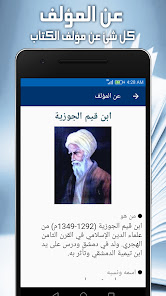
Muhammad bin Abi Bakr bin Ayyub bin Saad Al-Zar’i Al-Dimashqi, Shams Al-Din, Abu Abdullah, known as Ibn Qayyim Al-Jawziyah. Of the flags of Islamic religious reform in the eighth century AH. He was born in Damascus to Kurdish parents and studied under Ibn Taymiyyah al-Dimashqi, who is also from Kurdish parents and was influenced by him. His profession was the Imamat Baljouzia. Teaching in the vest and other places. Addressing the fatwa and authorship. His contact with Ibn Taymiyyah The word of the historians agreed that the date of the meeting was since the year 712 AH, the year in which he returned from his trips to Damascus and settled there until he died in Damascus in the year 751 AH.
❇️ Some Reviews of the Book of Proverbs in the Noble Qur’an by Ibn Qayyim al-Jawziyya ❇️
▪️Source of reviews: www.goodreads.com/ar/book/show/10820821▪️
- For me, I measure the importance of religious books that are mainly concerned with the Holy Qur’an compared to the extent to which I have benefited from them
For example, this book by Ibn al-Qayyim al-Jawzi talks about proverbs in the Noble Qur’an and explains them and details them with examples and examples.. This topic occupied me and stopped me a lot when I read the Great Qur’an. It will not be the last book on this subject, but it is a beautiful beginning to dive into the sea of parables of the Great Qur'an
eman
- Ibn al-Qayyim said: Putting proverbs in the Qur’an to benefit from matters of remembrance, exhortation, exhortation, rebuke, consideration, determination, bringing what is meant to the intellect and depicting it in the form of the sensible, so that its relation to the intellect is the same as the relation of the sensible to the sense. And punishment, and on exaggerating or degrading the matter, and on fulfilling an order and revoking an order, and God knows best.. Ibn Al-Qayyim dealt with the proverbs cited in the Qur’an, his explanation of them is very beautiful and worthy of reading..
Hanan Mohamed
- The book is light and good and sheds light on reflection on the verses of God in another angle, which are the proverbs of the Qur’an
Mohamed Jamal
A beautiful and unique book
Hossam Saeed
- I liked very much his words about Quranic proverbs, their details, and clarification of the similarities in them that you may not realize from the apparent text mentioned in the book. It is a very small number of proverbs mentioned in the Quran, not all of them. It was originally part of another book, and his mention of these parables was a digression, but it was singled out and printed separately.
Sacrifice Aqil
We are happy to receive your suggestions and contact us
apps@noursal.com
www.Noursal.com
Updated on
Safety starts with understanding how developers collect and share your data. Data privacy and security practices may vary based on your use, region, and age. The developer provided this information and may update it over time.


What's new
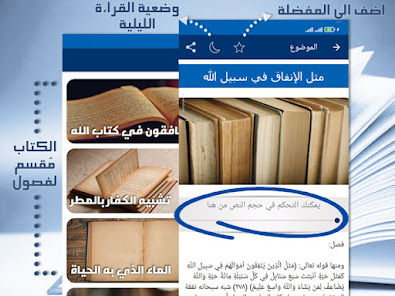
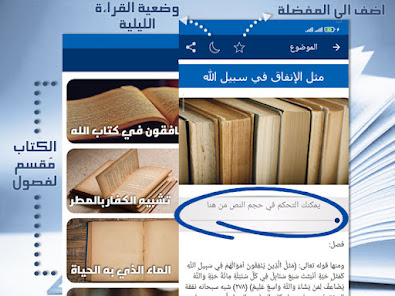
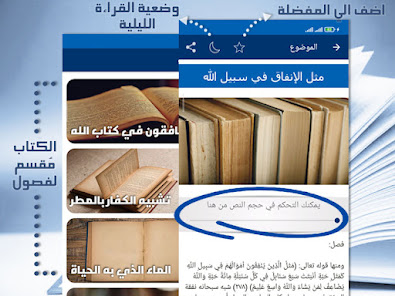
✔️ تقسيم الكتاب الي فصول .
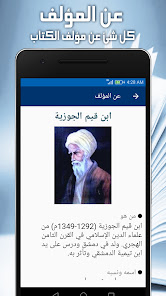
✔️ اضافة صفحة تعريفية بمؤلف الكتاب "ابن قيم الجوزية" .
✔️ إضافة خاصية المشاركة .
✔️ تحسين طريقة العرض .
✔️ اضافة صفحة تعريفية بمؤلف الكتاب "ابن قيم الجوزية" .
✔️ إضافة خاصية المشاركة .
✔️ تحسين طريقة العرض .


